

Share this article on:


In Nigeria, informal neighbourhood kiosks and mom-and-pop shops account for the overwhelming majority of FMCG distribution. Before 2019, restocking these shops required store owners—predominantly women—to close their businesses for hours, navigate congested routes to wholesale markets, and buy inventory at inflated prices from multiple layers of middlemen.
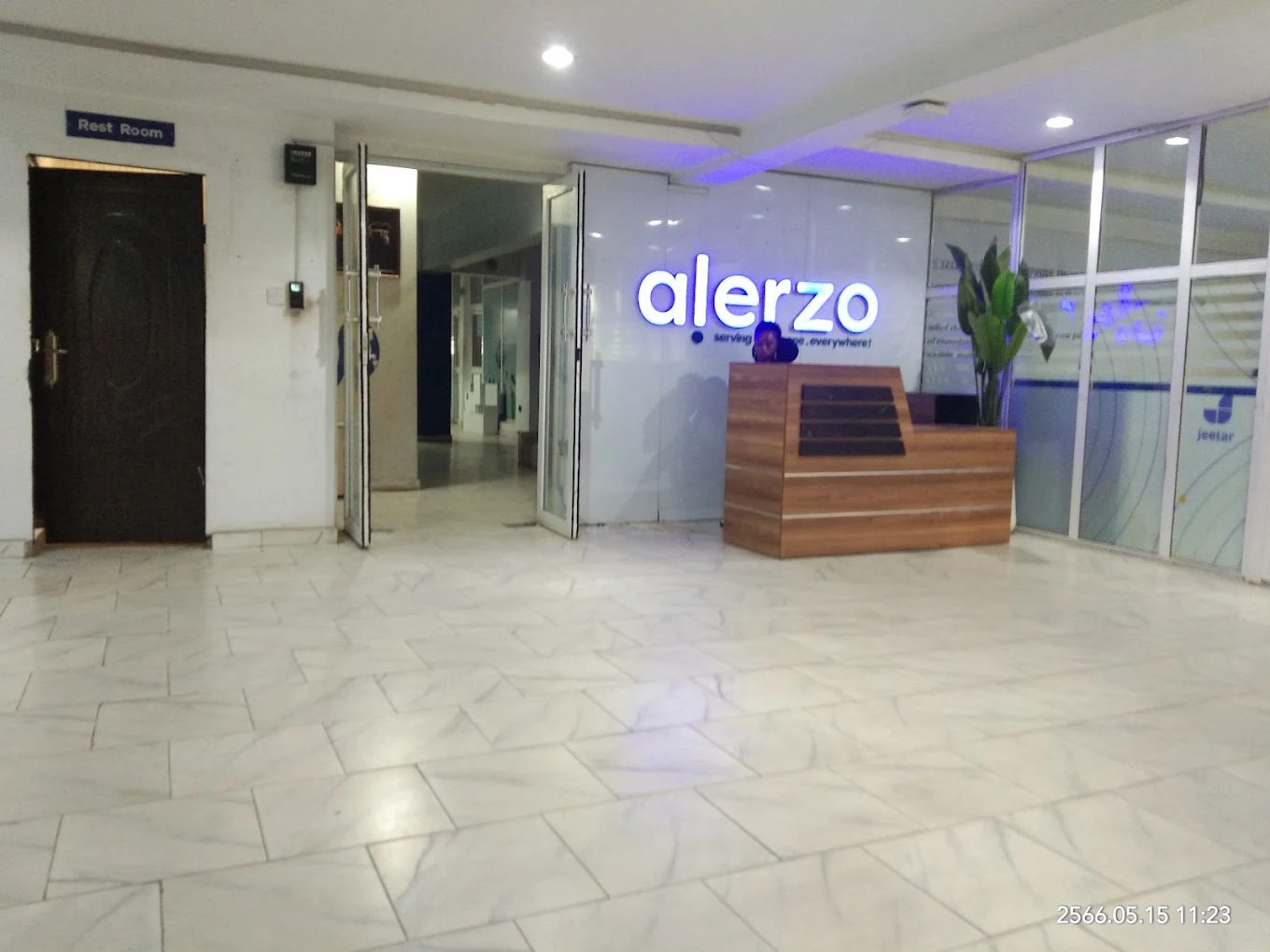
Adewale Opaleye founded Alerzo in Ibadan in 2019 to tackle that inefficiency. Rather than launching in hyper-competitive Lagos, Opaleye targeted Nigeria’s secondary cities across the southwest and northern regions. Alerzo’s pitch was straightforward: digitise the informal retail supply chain. Through the Alerzoshop app and a fleet of field agents, micro-retailers could order inventory directly from manufacturers and receive doorstep delivery within 24 hours, eventually layering digital payments and bookkeeping tools via AlerzoPay.
Scaling Beyond Lagos on Venture Capital
Alerzo’s secondary-city strategy resonated deeply with global venture capitalists seeking scalable African infrastructure plays. While rivals fought over Lagos, Alerzo quietly built a dense logistics footprint across Oyo, Ogun, Kwara, and Kano.
At its peak between 2021 and 2022, Alerzo reported serving more than 100,000 informal retailers, operating dozens of warehouses, and employing more than 1,000 employees. Investor appetite matched that level of operational sprawl:
- August 2021: Closed a $10.5 million Series A led by Nosara Capital, with participation from FJ Labs and Goodwater Capital.
- 2022: Secured an additional $5 million debt facility from the United States International Development Finance Corporation (DFC), alongside follow-on equity extensions. This brought total disclosed funding to roughly $20 million (estimated, including undisclosed debt/equity tranches).
By late 2022, Alerzo was widely viewed alongside TradeDepot and MarketForce as one of the defining pillars of African B2B retail tech.
Razor-Thin Margins Meet Macroeconomic Shocks
Beneath the headline GMV growth, structural vulnerabilities in the African B2B distribution model began to surface in early 2023. Distributing staples such as Indomie noodles, sugar, and bottled water carries notoriously thin gross margins—often between 3% and 6%. To achieve venture-scale growth targets, Alerzo subsidised delivery fees, offered aggressive discounts, and maintained extensive physical infrastructure, including leased warehouses, branded trucks, and large field-sales teams.
Two macroeconomic shocks broke the unit economics:
- Fuel Subsidy Removal and Logistics Inflation: When Nigeria removed fuel subsidies in mid-2023, diesel and petrol prices tripled overnight. Moving low-margin, bulky goods across intercity highways immediately became unprofitable per drop.
- Naira Devaluation and Inflation: Currency floatation eroded consumers' purchasing power. Informal retailers purchased smaller baskets less frequently, while FMCG manufacturers tightened credit terms and raised factory prices.
Following multiple waves of layoffs—starting with 400 staff in March 2023—and dried-up venture equity, Alerzo turned to commercial debt to stay afloat. In January 2025, the company secured an 18-month, ₦5 billion (~$3.6 million) working capital loan from Moniepoint Microfinance Bank, backed by collateral and personal guarantees from founder Adewale Opaleye and three other guarantors. Rather than fueling new growth, the facility functioned as survival capital to bridge ongoing cash burn.
Layoffs, the ₦5 Billion Moniepoint Loan, and Asset Liquidation
By late 2023 and throughout 2024, industry reports and former employees’ accounts documented further waves of restructuring, warehouse closures, and unpaid severance disputes. Although no formal liquidation notice was filed, Alerzo’s physical distribution network was largely dormant by 2025, mirroring the broader collapse or pivots of peers such as MarketForce and Wasoko's restructuring across the continent.
The debt gamble unraveled within a year. Unable to generate enough margin from distribution to service monthly obligations, Alerzo repaid only ₦619 million, leaving an unpaid balance of ₦4.38 billion. After issuing formal demand letters in November and December 2025 without resolution, Moniepoint sued Alerzo, its managing director, its personal guarantors, and its Singapore holding entity at the Federal High Court in Lagos.
In early 2026, Justice Daniel Osiagor granted Moniepoint a Mareva injunction restraining all Nigerian financial institutions from releasing funds linked to Alerzo and its guarantors up to the ₦4.38 billion claim. With its liquidity frozen, reports emerged in February 2026 that Alerzo had begun liquidating its delivery buses, motorcycles, and fleet vehicles—the operational backbone of its business—effectively bringing its B2B distribution model to a halt.
Structural Lessons for African Founders
Alerzo’s trajectory offers critical structural lessons for operators building asset-heavy startups in emerging markets:
Gross Margins Dictate Asset Intensity: Single-digit FMCG distribution margins can’t support heavy physical infrastructure—warehouses, fleets, and payrolls of thousands. When logistics costs spike in volatile economies, thin-margin businesses have no buffer to absorb the shock.
GMV Is a Vanity Metric in B2B Commerce: Moving billions of Naira in low-margin staples can create the illusion of product-market fit, but each subsidised delivery deepens the cash burn. True traction in B2B retail is measured by contribution margin per drop—not top-line volume.
Fintech Layering Cannot Outrun Core Logistics Losses: Many African B2B platforms assumed they could absorb losses on moving physical boxes and monetise later through embedded credit and payments. In practice, informal merchants remained highly price-sensitive, and credit default rates spiked in line with inflation, preventing fintech revenue from subsidising logistics costs.
Loading, please wait...
Share this article on:
Read latest articles

Why Voyance’s Data Warehouse Ambitions Faded in Africa
November 12, 2026

How YoLa Fresh Raised $9M—and Still Shut Down
November 08, 2026

Why Klump Shuttered Despite Powering Jumia's Checkout
October 31, 2026